Body Neutrality: A Practical Beginner's Guide
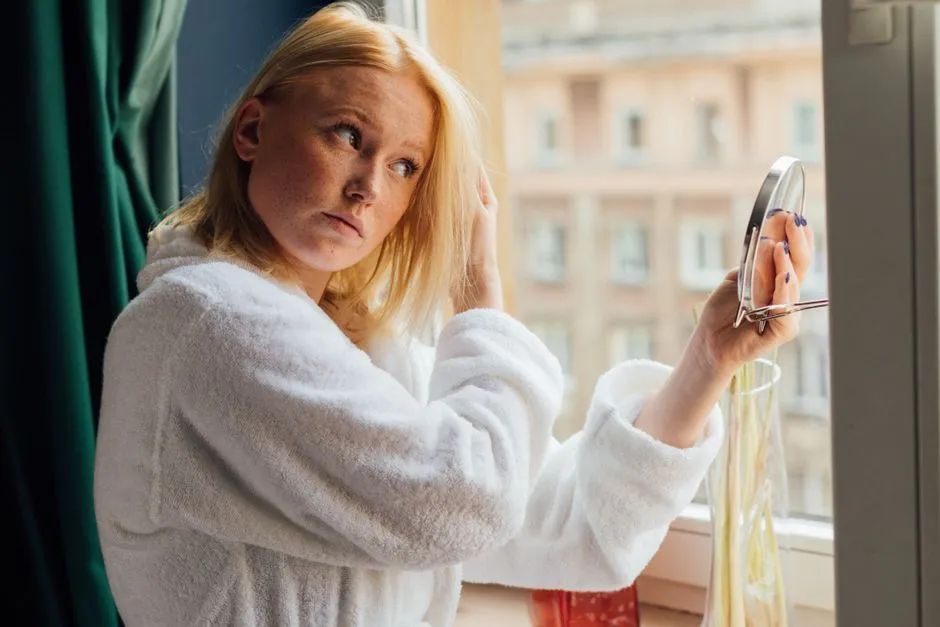
Body neutrality takes appearance off center stage
Body neutrality is an approach that emphasizes respecting and caring for your body without requiring you to love how it looks. Instead of moving every appearance judgment from negative to positive, you can practice making fewer judgments and giving more attention to comfort, needs, abilities, values, and daily life.
For some people, “I love my body” feels encouraging. For others, it feels impossible or like another standard to fail. Body neutrality offers a middle path: your body does not have to earn basic care through beauty or confidence.
Body neutrality vs. body positivity
Body positivity broadly challenges shame and exclusion and affirms that people in all kinds of bodies deserve dignity. Body neutrality shifts the personal focus away from appearance, including the demand to feel positively about it.
The two ideas do not have to compete. You can support respect and representation for all bodies while using neutral language about your own. On one day, a joyful statement may feel honest; on another, “This is my body today” may be enough.
What body neutrality can sound like
A neutral statement should be credible to you. It describes, allows, or redirects rather than forcing praise.
- “My appearance is not the most important fact about this moment.”
- “I can choose clothes for comfort and expression.”
- “My body deserves food, rest, and care on difficult days.”
- “I notice a critical thought; I do not have to build a case for it.”
- “I can join the photo without first approving every angle.”
Function-based gratitude is sometimes offered as body neutrality, but it should not become another obligation. Bodies have different abilities, and illness, pain, fatigue, or disability can complicate gratitude. Respect can be as simple as noticing a need and responding without punishment.
A beginner's daily practice
Notice without correcting
When an appearance judgment arrives, describe the event: “I am having a harsh thought about my skin.” You do not need to replace it immediately with praise. Try adding, “I can continue getting ready without solving that thought.”
Make care non-conditional
Choose one act of care that is not a reward for looking good: wearing comfortable shoes, eating a regular meal, taking prescribed medication as directed, resting, washing gently, or asking for space. Care is not proof that you love your body. It is a practical response to having one.
Reduce unnecessary inspection
Use mirrors for a defined task, such as checking that clothing is arranged the way you want. When the task is finished, step away instead of searching for a verdict. If online images trigger the same inspection, these steps for stopping appearance comparison online can help you reshape the environment.
Put appearance in a wider identity
At the end of the day, record something you noticed, made, learned, enjoyed, or offered another person. This is not a gratitude quota. It is evidence that your day contained more than an evaluation of how you looked.
Body-neutral beauty and style
Body neutrality does not ban makeup, skincare, fashion, grooming, mirrors, or photographs. The useful question is whether the choice feels expressive or caring, or whether it feels like a compulsory attempt to become acceptable.
You might wear a bright lip color because you enjoy it, choose a simple routine because you are tired, or opt out entirely. No option makes you more enlightened. The practice is giving yourself room to choose without turning appearance into a moral score.
Find more low-pressure perspectives in Everyday Beauty.
Keep the approach flexible
Body neutrality is not a treatment, and it will not fit every person or every day. If body-image distress affects food, exercise, relationships, work, or daily functioning, support from a qualified health or mental-health professional may be more appropriate than self-guided exercises alone.
Start small: choose one neutral sentence and one act of non-conditional care. Success is not never disliking your appearance again. It is creating moments when appearance does not get to decide what care, participation, or respect you deserve.